GALLERY

Stamped concrete photos: patterns and finishes

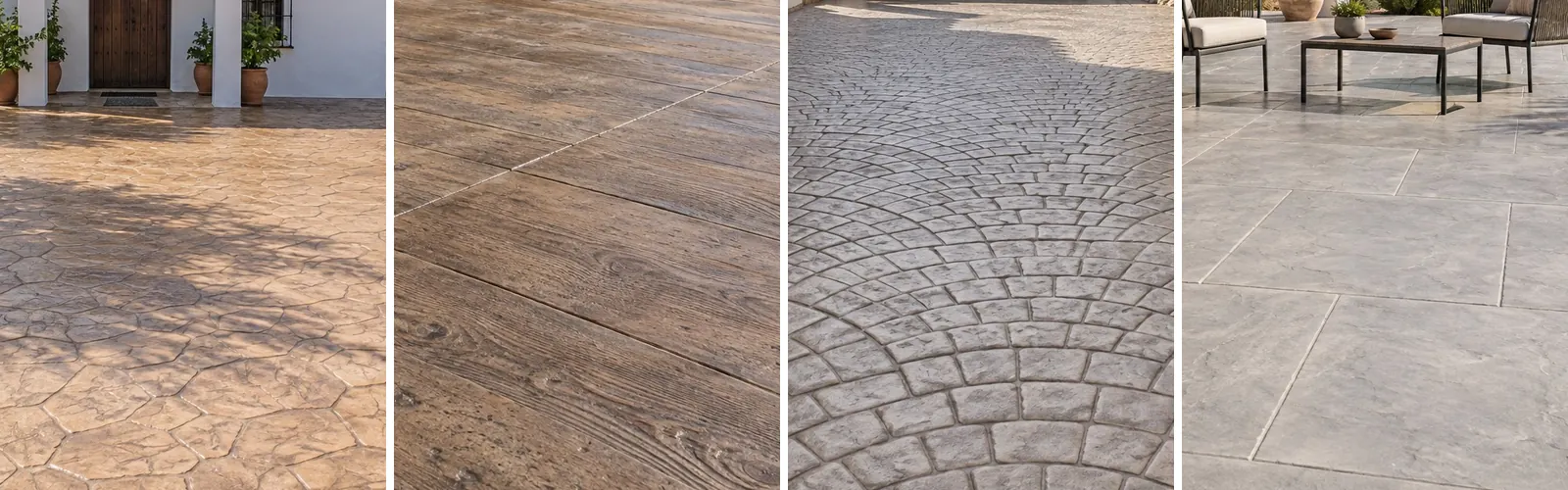
Stamped concrete can imitate stone, slate, pavers, flagstones or wood, in dozens of colours, and two patterns can be combined on the same job. Here are the most popular patterns, grouped by use, so you can see how each one looks before you decide.

Under each type we explain what it works best for and what to look out for.

Modelos de hormigón impreso

Stone and slate effect

It’s the best-selling pattern in the Axarquía, because it suits the white-village architecture and hides dirt and tyre marks well.

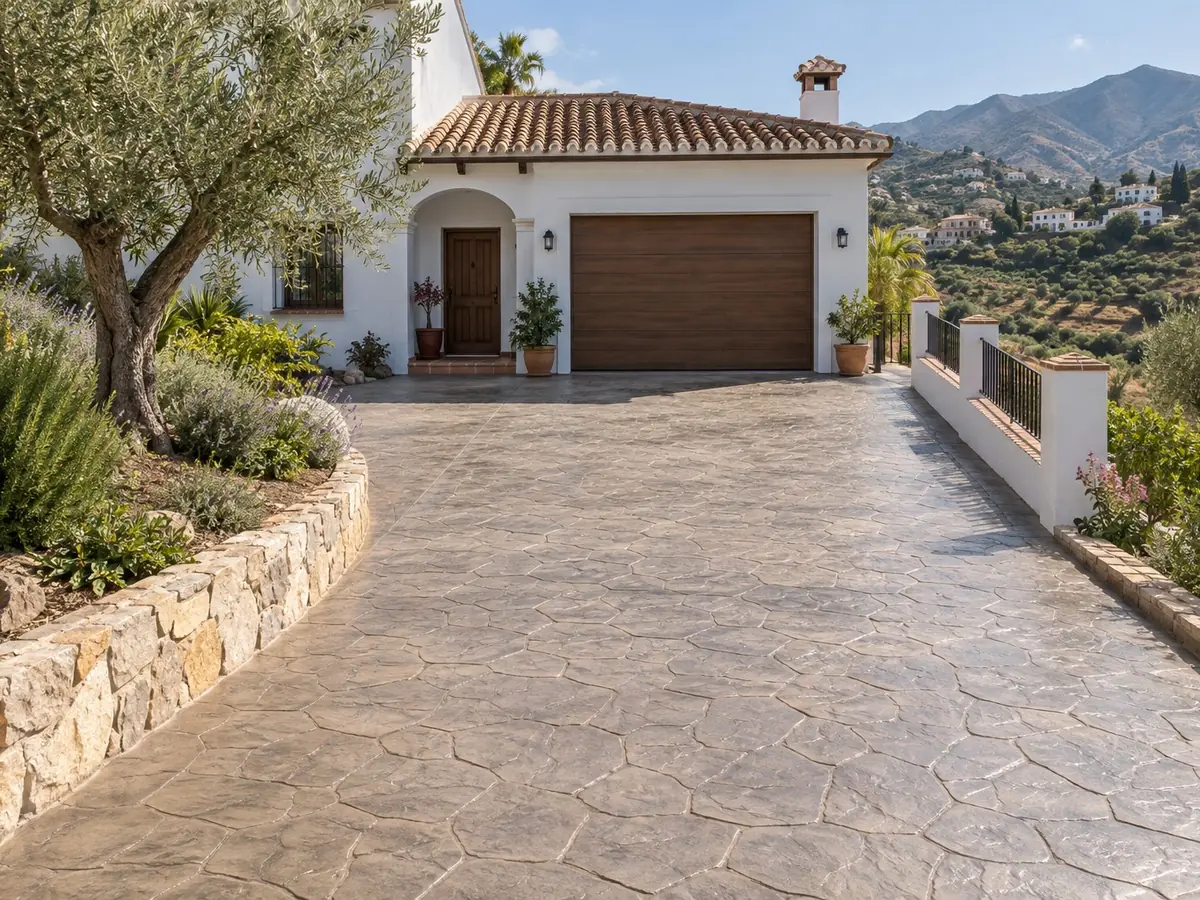
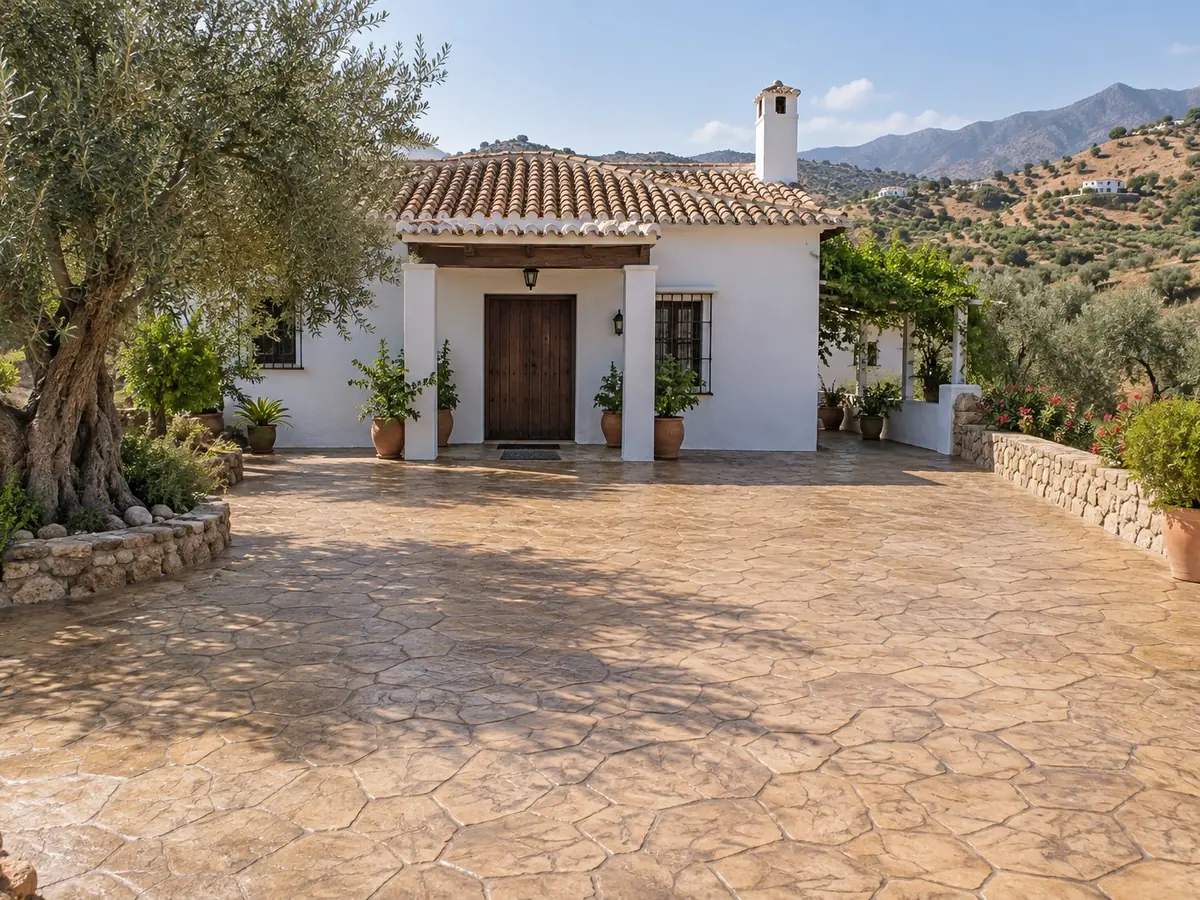
Random stone

Wide joints and pieces of different shapes. Very natural on cortijo driveways and paths.

Hormigón impreso imitación piedra irregular

Pizarra

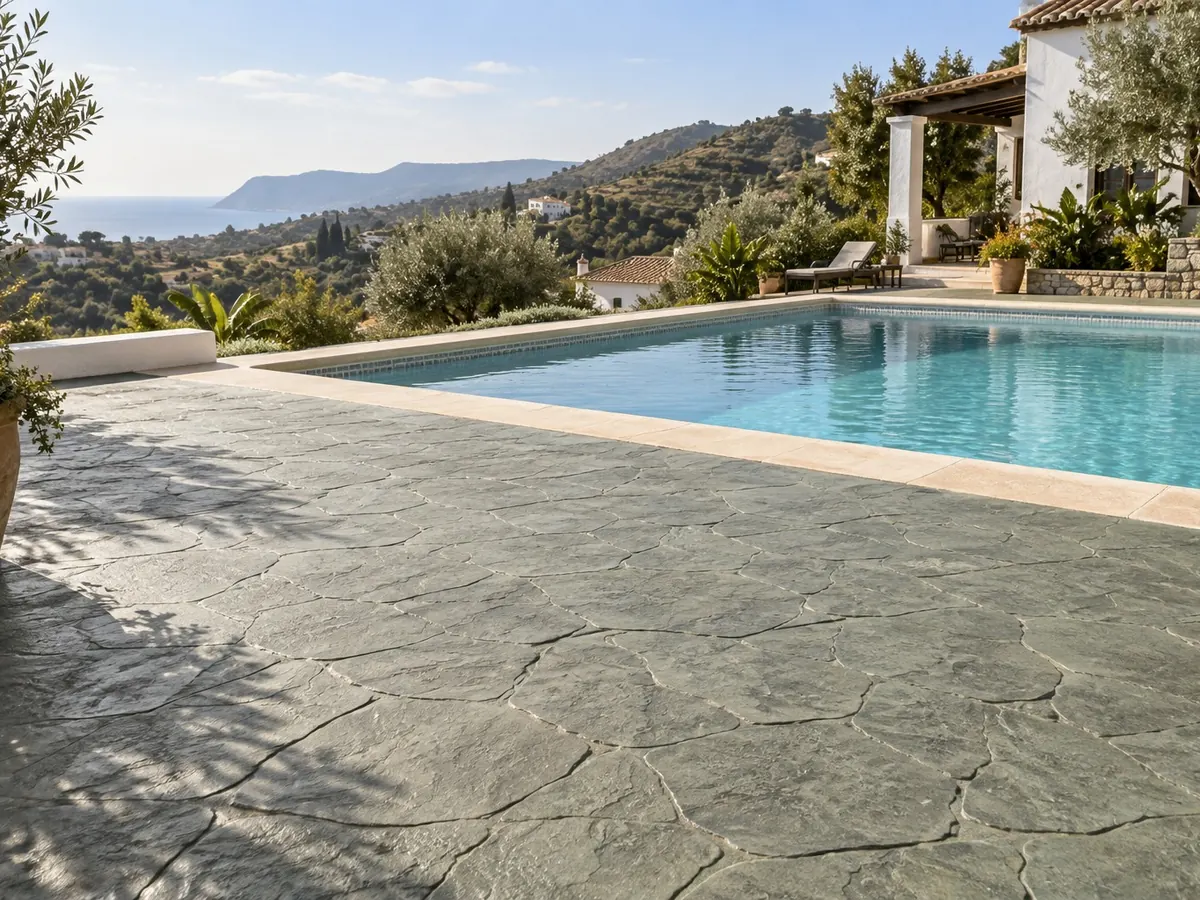
A finely layered surface. It looks elegant around pools in grey or green-grey tones.

Hormigón impreso imitación pizarra

Wood effect

More and more popular for terraces and pool surrounds. It gives the look of decking without the problems: it doesn’t splinter, rot or need oiling.

Weathered plank

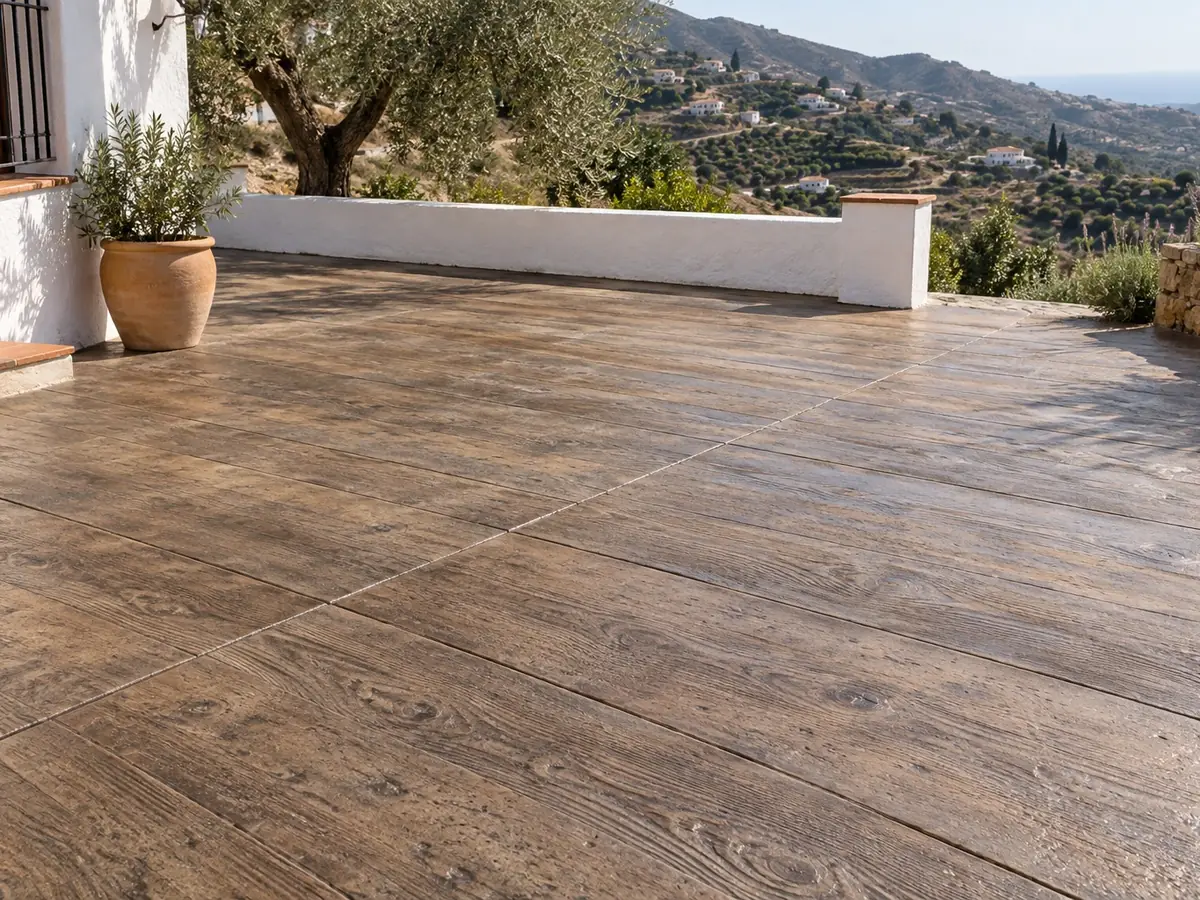
With deep grain and a second antiquing colour. It’s the one that looks most like real wood.

Hormigón impreso imitación madera envejecida

Light decking

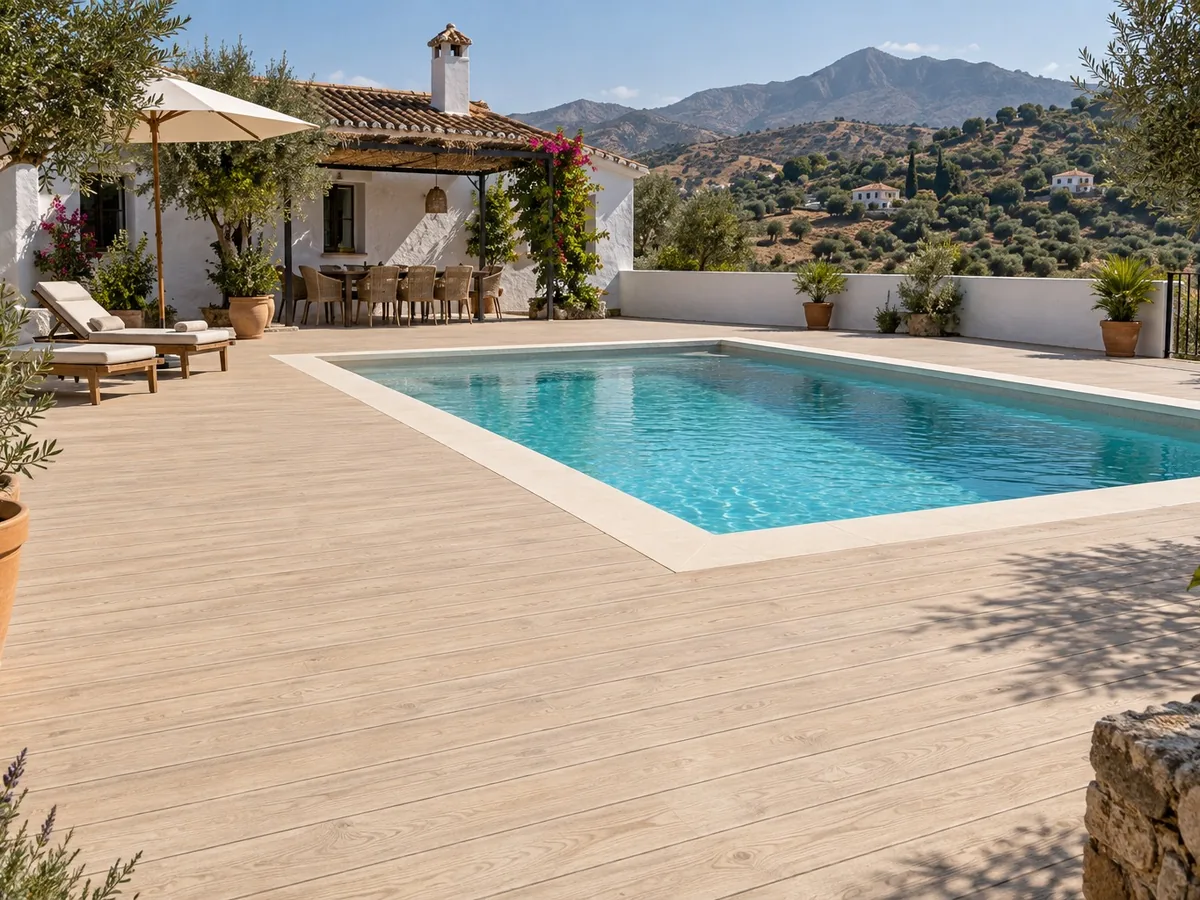
Narrower boards in light tones. Recommended next to the pool because it doesn’t get as hot.

Hormigón impreso imitación tarima clara

Pavers and flagstones

Pavers

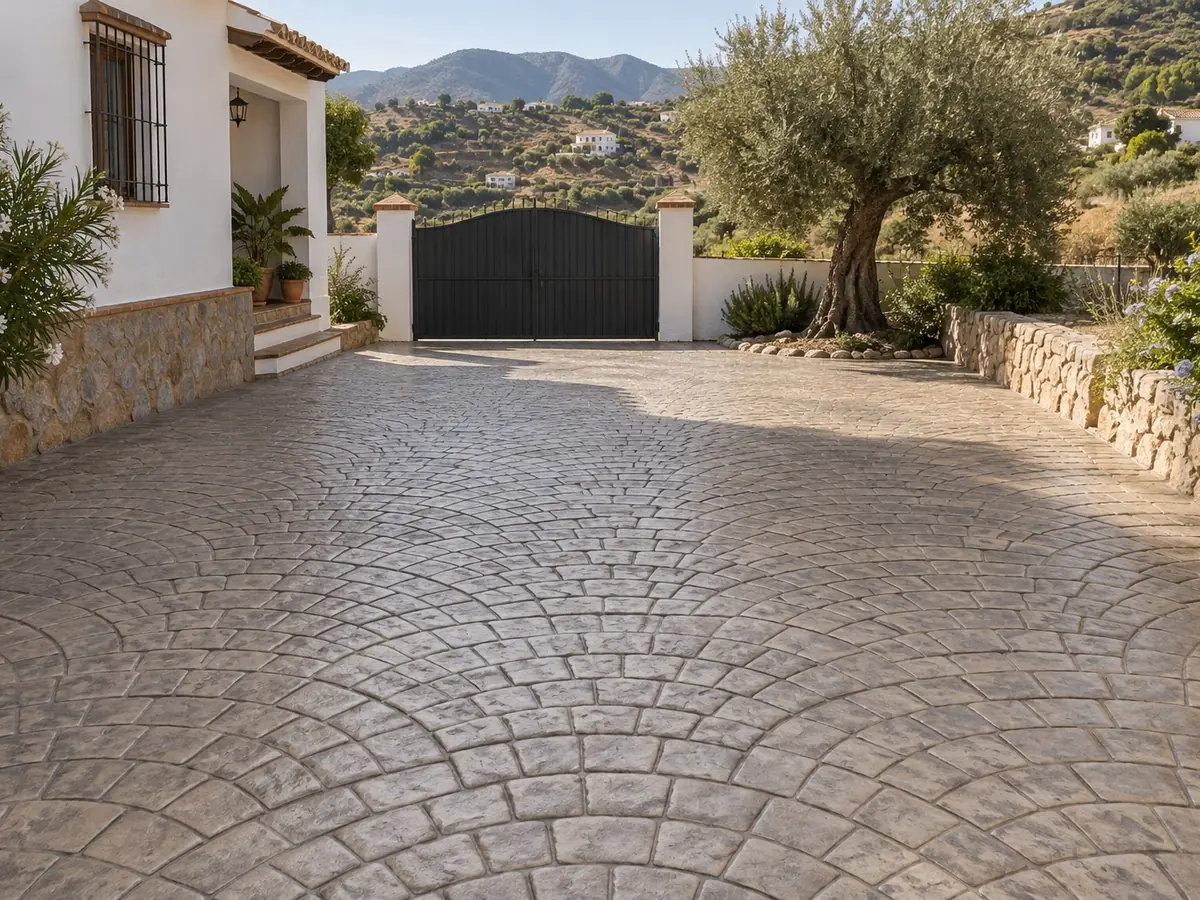
Very practical for driveways and private roads. It stands up visually to traffic and stains.

Hormigón impreso imitación adoquín

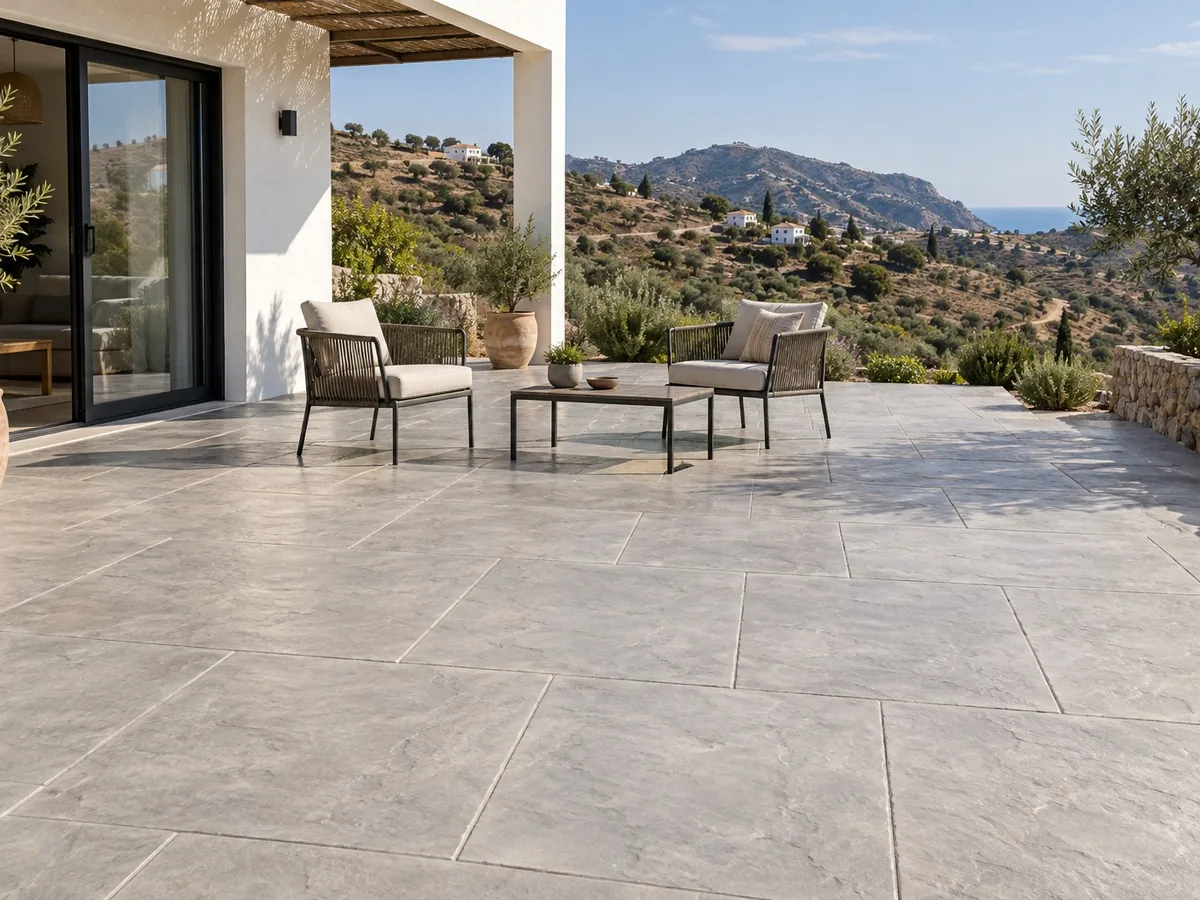
Square or rectangular flagstone

Clean lines for modern homes. In grey or cream it looks understated and contemporary.

Hormigón impreso molde losa rectangular

By use: how it looks in each place

Driveways

Stone or paver pattern, mid-tone colour. More on driveways and ramps.

Entrada de coches de hormigón impreso

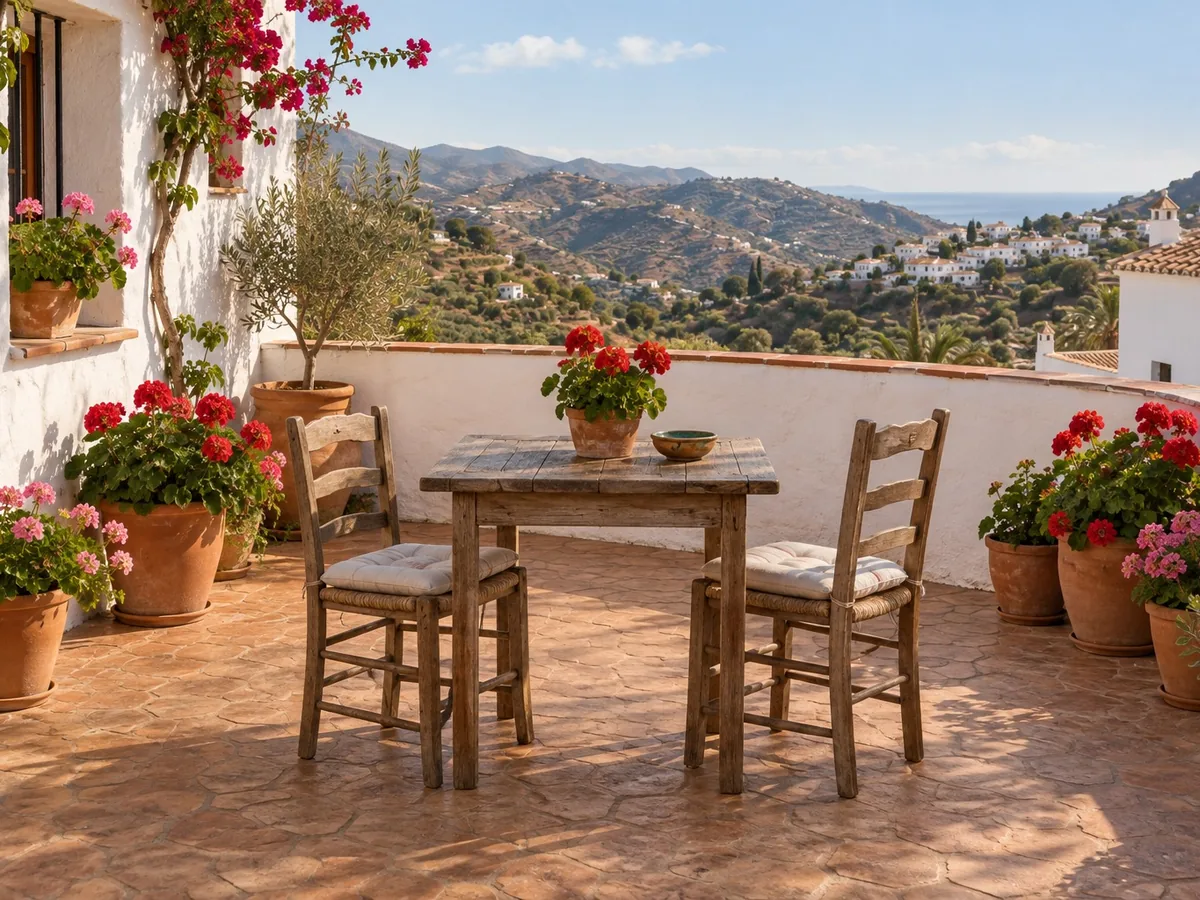
Patios and terraces

Almost any pattern works. Here the style of the house decides.

Terraza de hormigón impreso

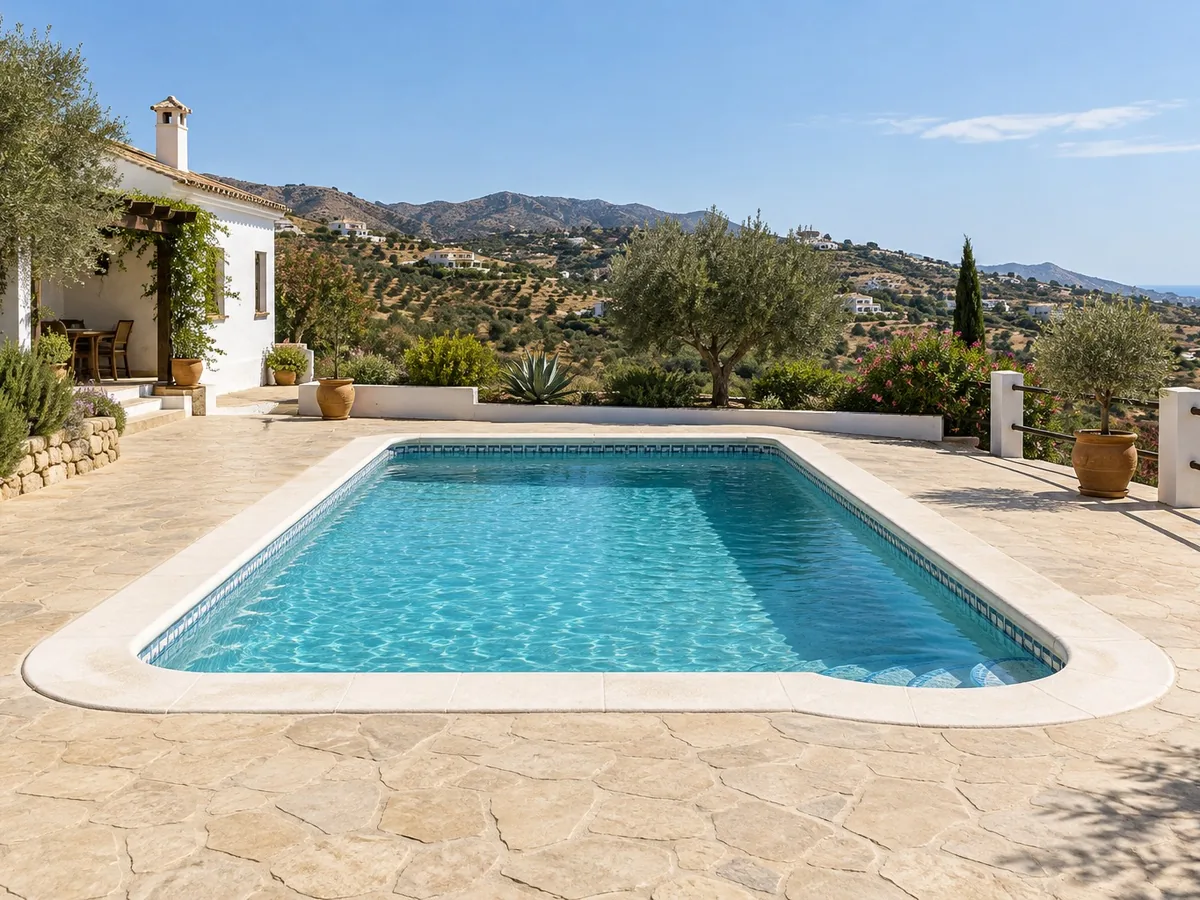
Pools

Light colours and a non-slip finish. More on pools and gardens.

Piscina con hormigón impreso

Walls

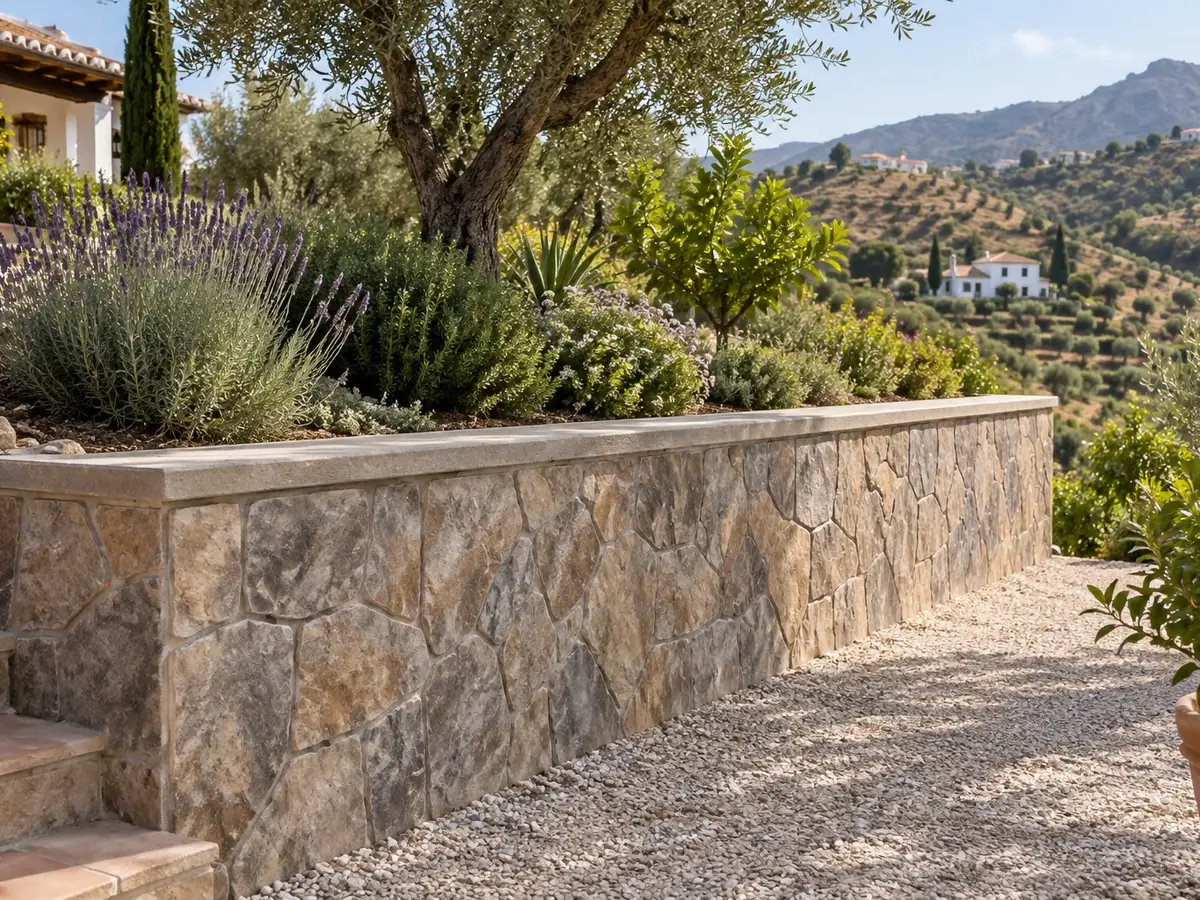
Vertical stamped concrete imitates stone on retaining walls and low façades.

Hormigón impreso vertical en muro

What to look for in stamped concrete photos

  • The joints. They should be cut in straight lines at regular intervals. If you can’t see any joints on a large area, be wary: cracks will appear on their own.
  • Colour consistency. Some variation is normal and looks natural, but not patches of very different tone from bay to bay.
  • The edges. Clean junctions with walls, kerbs, inspection covers and steps, with no rough edges.
  • The photo from years ago. A freshly sealed job shines and they all look perfect. Ask about jobs that are three or four years old.

You’ll find the colours in detail in our guide to stamped concrete colours (in Spanish), and what affects the price of each pattern on our price per m² page.

Want to see a job in person?

If you’re in the Axarquía or on the Costa Tropical, we can point you to finished jobs near your home so you can see them with your own eyes, in daylight and with a few years on them.

Stamped concrete pattern FAQs

The questions that come up when choosing a pattern.

What types of stamped concrete are there?

Types of stamped concrete are distinguished by the mould: random stone, slate, pavers, flagstone, brick and wood. Each pattern comes in dozens of colours, and two patterns can be combined on the same job – for example pavers on the driveway and wood on the terrace.
What does wood-effect stamped concrete look like?

Wood-effect stamped concrete reproduces the grain and joints of decking, and with a second antiquing colour it looks a lot like real wood. Unlike decking, it doesn’t splinter, rot or need oil. It’s mainly used on terraces and pool surrounds, in light tones.

Which stamped concrete pattern is the most durable?

All stamped concrete patterns are equally strong, because strength comes from the concrete, the thickness and the base, not the mould. What changes is how well they hide wear: random stone and paver patterns hide tyre marks and dirt better than smooth or wood patterns.

Can two patterns be combined on the same floor?

Yes, two stamped concrete patterns can be combined on the same floor – for example a paver border around a stone area, or wood on the terrace and stone on the path. They’re laid in separate bays divided by joints, so the change of pattern is clean.